How Above Ground Pool Design Changes What Owners Should Expect from Robotic Cleaning
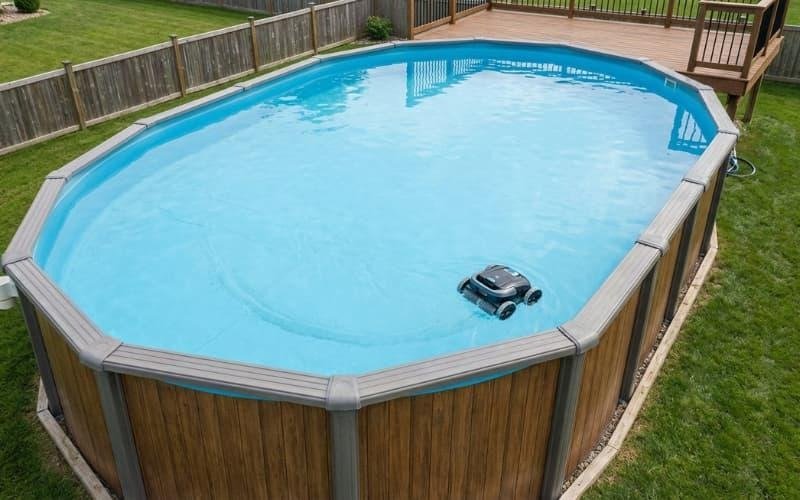
Above ground pools are often seen as simpler to own, simpler to install, and simpler to maintain than in-ground pools. In many ways, that is true. But simpler does not mean identical. The structure of an above ground pool changes how debris enters the water, how owners access the pool for maintenance, and how cleaning tools fit into everyday use. Because of that, homeowners should not expect robotic cleaning to work in exactly the same way it does in other pool types. A better expectation starts with understanding how above ground design shapes the real cleaning experience.
Above Ground Pools Have a Different Physical Layout
To set realistic expectations, it helps to begin with the pool itself. Design affects cleaning long before the robot ever enters the water.
Wall height and pool entry change the maintenance routine
Above ground pools are raised from the surrounding yard. That sounds like a simple construction detail, but it changes how owners interact with the pool during cleaning. In many cases, access happens from a ladder, a partial deck, or a narrow edge rather than from a full perimeter walkway.
This matters because cleaning is not only about what happens in the water. It is also about setup, placement, removal, and routine handling. A homeowner with an above ground pool often wants a process that feels easy to manage from a more limited access point. That expectation is different from the experience of a large built-in pool with open deck space all around it.
Pool shape is often simple, but not always friction-free
Many above ground pools have basic round or oval layouts. At first glance, that can make robotic cleaning seem straightforward. And in some ways, it is. Simpler shapes can reduce some cleaning challenges. But they do not remove them entirely.
Debris still settles along the floor, edges, and entry zones. Fine dirt can still gather in ways that are not obvious from above. Owners should expect the robot to support routine maintenance, but they should not assume that a simpler pool shape means every part of the cleaning process will feel effortless.
Above Ground Pools Usually Face a Different Debris Pattern
Once the layout is understood, the next step is to look at how these pools actually get dirty. The debris pattern often explains more than the pool size does.
Yard-level exposure changes what enters the water
Above ground pools are often placed in open backyard areas. They may sit close to grass, trees, patios, or play areas. That means they can collect grass clippings, dust, insects, leaves, and small yard debris on a regular basis. In some homes, this happens more often than owners expected when the pool was first installed.
Because of this, robotic cleaning in an above ground pool is often less about handling extreme mess and more about managing repeated light-to-moderate buildup. That is an important distinction. Owners should expect steady help with ongoing debris, not just dramatic cleanup after the pool already looks dirty.
Frequent casual use adds to the cleaning load
Above ground pools are often used in a relaxed, everyday way. Children may get in after school. Adults may use the pool on warm evenings. Friends may stop by on weekends. This kind of use adds small amounts of dirt, grass, and residue over time.
That means robotic cleaning is often most valuable when it supports regular upkeep between uses. It helps keep the pool from slipping out of shape during an active week. For many households, that practical consistency is more important than one heavy deep-cleaning session.
Owners Should Expect Convenience to Matter More Than Raw Power
When homeowners think about robotic cleaning, they often focus first on performance. With above ground pools, though, convenience is often just as important.
A manageable routine matters more in smaller backyard settings
Above ground pools are usually part of a casual backyard setup. The owner may have outdoor furniture nearby, toys around the yard, limited storage space, or only one easy place to approach the pool. In that setting, the best cleaning experience is usually the one that feels simple enough to repeat often.
This is where an above ground robotic pool cleaner fits into the conversation naturally. For many owners, the main value is not only cleaning ability in the abstract. It is the way the tool supports a practical routine that feels proportionate to the size and style of the pool.
Easy repeat use often matters more than dramatic results
A robot that performs well once but feels inconvenient to use every week may not improve the ownership experience very much. Above ground pool owners often benefit more from a cleaner that supports steady habits and lower routine friction.
That is why expectations should stay practical. Robotic cleaning should make regular care easier. It should reduce repeated manual effort. It should help the pool stay closer to ready. Those are often more useful outcomes than expecting the robot to solve every maintenance need on its own.
Above Ground Design Changes How Owners Judge Cleaning Success
To evaluate robotic cleaning fairly, homeowners also need to judge results in the right way. Above ground pool design changes what “good performance” often looks like.
Success often means staying ahead of the buildup
In an above ground pool, good robotic cleaning usually means the owner does not fall behind. The floor stays more manageable. Visible debris does not have time to collect heavily. The pool remains inviting for normal family use. These are meaningful results, even if the pool still needs occasional manual attention.
This is an important mindset shift. Owners should not judge success only by whether the pool looks perfect after one cycle. They should also look at whether the robot reduces cleanup pressure across the week.
Consistency matters more than a one-time appearance
Because above ground pools often deal with repeated everyday debris, consistency is usually the best sign of value. If the pool stays cleaner between uses and requires less catch-up work on weekends, the robot is supporting the routine well.
That kind of result may feel less dramatic than a major before-and-after moment, but in real ownership, it is often far more useful.
Setup and Access Expectations Should Stay Realistic
The raised structure of an above ground pool also changes what owners should expect during setup and handling. This part of the experience matters more than many people first realize.
Access points influence how easy the cleaner feels to use
Some above ground pools have a surrounding deck. Others have only a ladder and a narrow area beside the wall. This affects how simple it feels to place the cleaner into the pool and remove it after use. Owners should think about robotic cleaning as part of the full routine, not only the in-water portion.
That means realistic expectations matter. The right robot should feel practical in the actual access conditions of the yard. If the setup feels too awkward, even a capable cleaner may not fit the pool as well as expected.
Storage and handling are part of the ownership experience
Above ground pool owners often value compact, simple ownership. The cleaning tool should support that feeling. A robotic cleaner is more useful when it fits naturally into the home’s actual maintenance rhythm, including how it is stored, moved, and worked into normal backyard life.
So when judging robotic cleaning, owners should include the full experience. A robot should not only clean well. It should also feel reasonable to live with from week to week.
Above Ground Pools Need Expectations Based on Real Use, Not Assumptions
The biggest mistake owners can make is assuming that robotic cleaning should feel exactly the same in every kind of pool. Above ground pools have their own logic. Their structure, access, debris patterns, and usage habits all shape what good robotic cleaning really means.
For that reason, homeowners should expect a robot to deliver practical support, not magic. It should help with regular debris control, reduce manual pressure, and make routine maintenance easier to sustain. It should fit the casual but repeated demands that above ground pools often face in family backyards.
In the end, above ground pool design changes robotic cleaning expectations by changing the whole maintenance context. Once owners understand that, they can judge robotic cleaning more clearly and choose a routine that actually fits the way their pool is built and used.