
The Ultimate Guide to Wrap Around Labeling Machines: Revolutionizing Packaging Efficiency
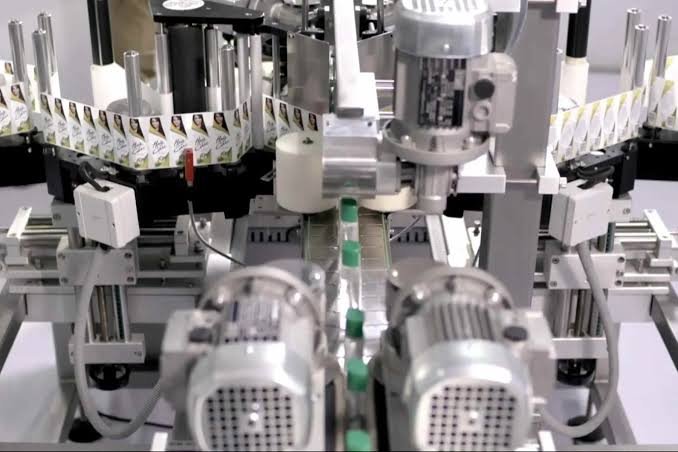
Packaging is far more than a protective shell for a product. It serves as the primary canvas for branding, regulatory compliance, and consumer communication. Among the various technologies driving modern packaging lines, the wrap around labeling machine stands out as a crucial asset for industries relying on cylindrical containers. From beverage bottles and cosmetic jars to pharmaceutical vials and household chemical containers, these specialized systems ensure that labels are applied smoothly, consistently, and at high speeds.
Understanding the mechanics, applications, and strategic advantages of this technology is essential for any business aiming to scale up its production capabilities. By automating what was once a tedious and error-prone manual task, these machines enable manufacturers to maintain a professional aesthetic while maximizing throughput.
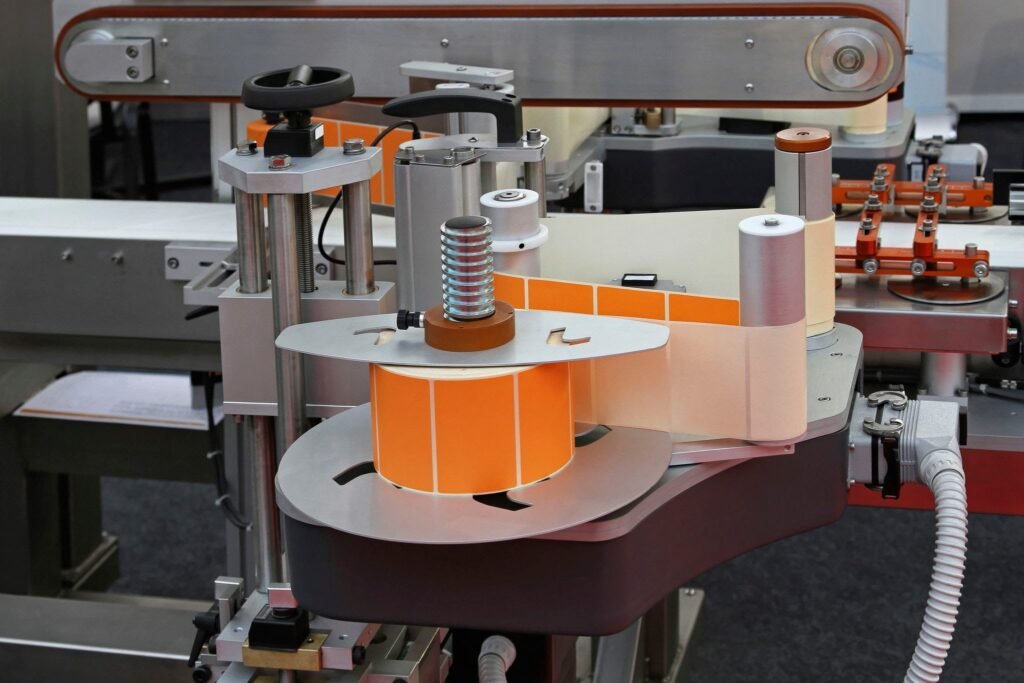
A precision labeling system feeding pressure-sensitive labels to a production line. Source: Baloncici / Getty Images
Introduction to Wrap Around Labeling Technology
At its core, a wrap around labeling machine is designed to apply a label partially or completely around the circumference of a cylindrical or elliptical container. Unlike flat-surface labelers that simply press a sticker onto a stationary plane, a wrap around system must manage the rotation of the container to ensure the adhesive medium bonds flawlessly around a curved surface. This process demands precise coordination between the movement of the conveyor belt, the dispensing speed of the label head, and the rotational mechanism that presses the label onto the container.
These machines are built to handle pressure-sensitive labels, which are supplied on a continuous backing roll. The technological sophistication of modern wrap-around systems allows them to accommodate minor variations in container geometry while preventing common defects such as wrinkling, bubbling, or misalignment. As consumer markets grow more competitive, the demand for pristine label application has pushed manufacturers to adopt automated wrap-around systems that can deliver uniform results across millions of production cycles.
How a Wrap Around Labeling Machine Works
The operational sequence of a wrap around labeling machine is a masterclass in synchronized mechanical engineering. The process begins when unlabeled containers travel down a synchronized conveyor system toward the labeling station. Before entering the application zone, the containers pass through a spacing mechanism, often a rotating feed screw or a pacing wheel, which ensures that each bottle or jar maintains a precise distance from the next. This spacing is vital because it prevents bottlenecks and allows the optical sensors to detect individual containers accurately.
As a container reaches the labeling head, an electronic sensor detects its presence and triggers the label dispenser. The label web, which is held under constant tension, is pulled across a sharp peel plate. Because the backing paper is forced to make a sharp turn while the stiffer label material resists bending, the label partially separates from its liner and is flagged directly into the path of the oncoming container. Once the leading edge of the label makes contact with the adhesive-friendly surface of the container, the wrapping phase begins.
The actual wrapping is typically achieved through one of two methods: a continuous wrap belt or a three-roller orientation system. In a wrap belt configuration, the container is squeezed gently between a moving conveyor belt and a parallel backing pad or secondary belt running at a different speed. This differential speed forces the container to spin rapidly along its vertical axis, smoothing the label completely around its circumference. In high-precision three-roller systems, the container is temporarily captured by three rollers that spin it in a fixed pocket, ensuring perfect label registration even on slightly tapered containers.
Key Components of Wrap Around Systems
The seamless execution of the labeling process relies on several heavy-duty, interconnected components working in perfect harmony. The first of these is the label unwind and tension control system, which holds the roll of labels and maintains a consistent pull to prevent tearing or slippage as the roll shrinks in size. Optical sensors serve as the eyes of the machine, detecting both the gaps between labels on the liner roll and the physical entry of the containers into the labeling zone.
Another indispensable element is the peel plate, which is engineered with a ultra-sharp edge to cleanly separate the label from its backing paper. Once separated, the waste liner is neatly rewound onto a take-up spool. The conveyor system acts as the backbone, transporting the physical containers through the machine, while adjustable guide rails keep the containers perfectly aligned. Finally, the main drive motors, which are often advanced brushless servo motors, control the speed of the label feed with micro-millisecond accuracy, allowing the machine to adjust dynamically to changing line speeds.
Diverse Applications Across Key Industries
The versatility of wrap around labeling machines makes them indispensable across a vast spectrum of global industries. In the food and beverage sector, they are used to label everything from plastic soda bottles and glass beer bottles to aluminum cans and gourmet condiment jars. Because these products often experience condensation or temperature fluctuations, the labeling machine must apply the labels with enough consistent pressure to guarantee a permanent bond under damp conditions.
The pharmaceutical and nutraceutical sectors place an even higher premium on precision and validation. Prescription bottles, pill jars, and small glass vials must carry perfectly aligned labels containing critical dosage information, batch numbers, and expiration dates. Many specialized wrap-around systems in this space are integrated with thermal transfer printers and optical camera verification systems that inspect every label for legibility, automatically rejecting any bottle with a smudged barcode or misaligned label.
In the cosmetics and personal care industry, packaging aesthetics directly influence consumer purchasing decisions. Shampoos, lotions, skin creams, and perfumes are often packaged in uniquely contoured cylindrical containers that require a premium look. Wrap around labelers designed for this industry are configured to handle delicate, clear-on-clear plastic labels, which give the product a sleek, “no-label” look. Additionally, the chemical and automotive industries rely on these robust machines to apply durable, chemical-resistant labels onto round containers of motor oil, household cleaners, and industrial lubricants.
Principal Benefits for Modern Production Lines
Investing in an automated wrap around labeling system yields transformative benefits for any manufacturing facility. Foremost among these is the dramatic increase in production speed. While manual or semi-automatic labeling processes limit output to a few dozen bottles per minute, fully automatic wrap-around labelers can effortlessly process hundreds of units per minute, directly eliminating production bottlenecks and lowering the overall cost per unit.
Consistency and visual appeal are equally significant advantages. Human operators, regardless of their skill, cannot achieve the exact same label placement millimeter-for-millimeter across an entire shift. An automated machine guarantees that every single bottle leaving the line is identical, which reinforces brand credibility and projects an image of high quality. Furthermore, the precise tension control and smoothing mechanisms eliminate the risk of unsightly air bubbles, dog-eared corners, or skewed labels.
Operational flexibility is another core benefit of modern machines. Contemporary wrap-around labelers are designed with tool-less adjustment features, allowing operators to switch between different bottle diameters and label sizes in a matter of minutes. This versatility is incredibly valuable for co-packers and manufacturers who manage diverse product lines on a single production floor, reducing downtime and maximizing overall equipment effectiveness.
Key Factors to Consider When Selecting a Machine
Selecting the ideal wrap around labeling machine requires a careful evaluation of several technical and operational variables. The physical characteristics of the containers are the most critical starting point. Manufacturers must consider the height, diameter, and material of their bottles, as well as whether the containers are completely cylindrical, slightly tapered, or possess structural ridges. Tapered bottles require specialized labeling heads that can feed labels at an angle to prevent wrinkling.
The material and design of the labels themselves also play a major role in the selection process. While standard paper labels are relatively easy to apply, thin plastic films or clear-on-clear labels require specialized sensors capable of detecting the edge of a transparent label on a transparent backing. Additionally, production throughput targets must align with the machine’s capabilities. A facility running twenty bottles a minute has vastly different mechanical requirements than a high-speed bottling plant operating at four hundred units per minute.
Maintenance and Longevity Practices
To protect the significant capital investment of an automated labeling system, implementing a structured preventive maintenance routine is essential. The most common source of labeling errors is the accumulation of adhesive residue and paper dust on the peel plate, rollers, and sensors. Regular cleaning with appropriate solvents prevents labels from sticking to the plate or wrapping around the drive rollers, which can cause costly line stoppages.
Belt tension and sensor calibration must also be checked regularly. Over time, conveyor and wrapping belts can stretch, leading to slippage and minor variations in label placement. Ensuring that optical sensors are free of dust and correctly calibrated to detect the contrast between the label and the backing paper prevents double-feeding or missed labels. By training operators to perform daily inspections and keeping a stock of high-wear spare parts like belts and springs on hand, facilities can maintain peak performance and extend the operational life of the machine for decades.
Conclusion
The wrap around labeling machine represents a cornerstone of modern packaging automation, turning a potentially labor-intensive bottleneck into a highly efficient, high-speed asset. By combining advanced sensor technology, precise servo-driven motor control, and adaptable mechanical designs, these machines deliver the immaculate aesthetic and structural durability that modern brands demand.
As consumer product diversity continues to expand and regulatory standards become more stringent, the role of reliable, automated labeling will only grow in importance. For companies looking to scale their production, lower operational costs, and elevate their brand presence on the retail shelf, investing in a robust wrap-around labeling system is not merely an operational upgrade, but a vital step toward long-term market competitiveness.