Smart Home Devices That Simplify Home Maintenance
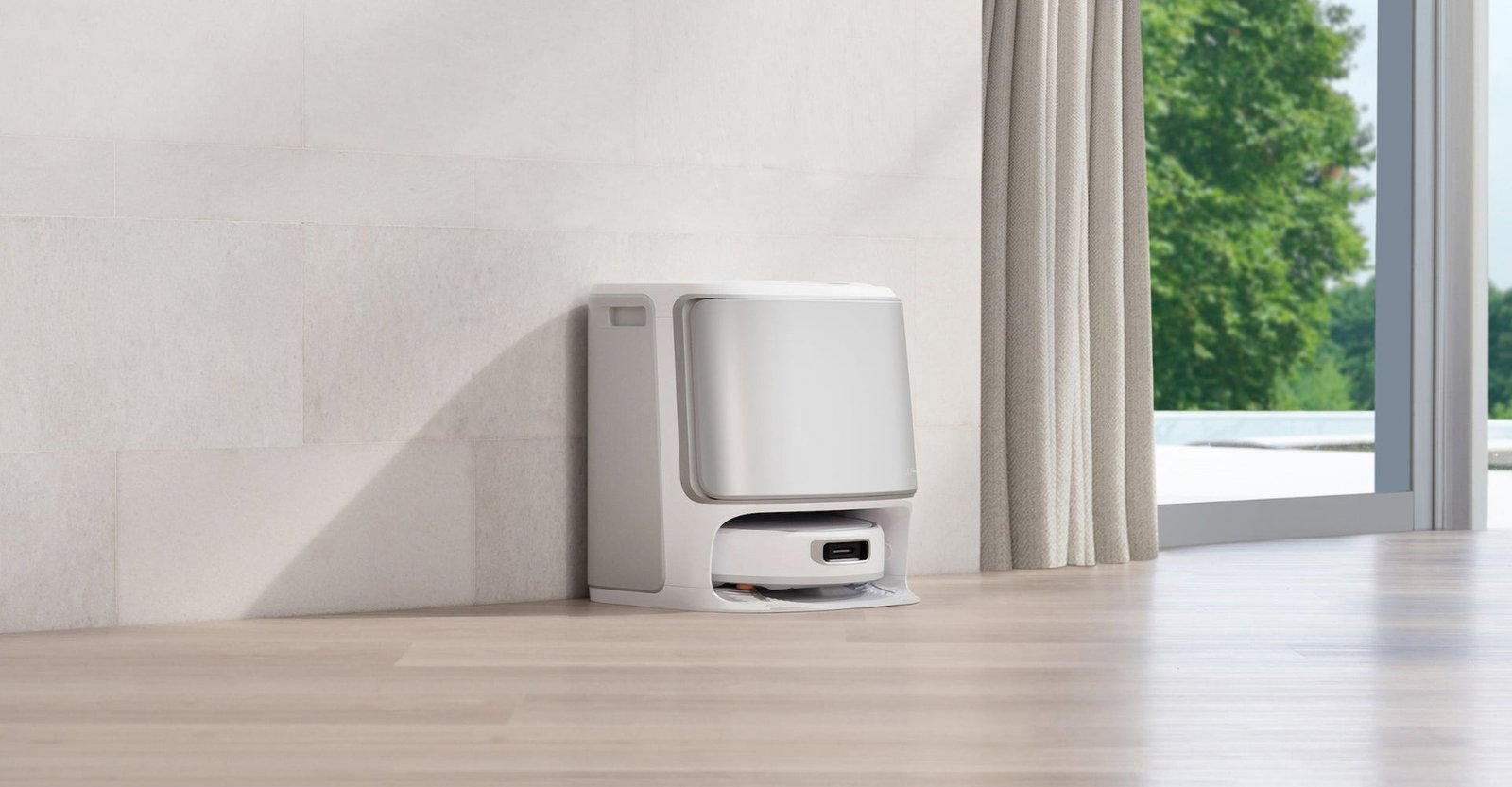
Keeping a home in good condition takes more than occasional cleaning. Dust builds up in corners, spills happen in busy kitchens, pet hair clings to rugs, and routine chores can quickly eat into time that could be spent on work, family, or rest. That is why smart home devices have become more than just convenient gadgets. The best ones reduce repetitive effort, automate maintenance, and help households stay cleaner with less hands-on work.
Today’s smart home ecosystem goes well beyond smart speakers and lighting. Home maintenance now includes intelligent floor care, app-based scheduling, voice control, adaptive cleaning systems, and devices that can respond to different surfaces and mess types in real time. For homeowners and renters alike, the right setup can make everyday upkeep much easier.
Why smart home devices matter for home maintenance
The appeal of smart home technology is simple: it removes friction from routine tasks. Instead of manually vacuuming every day or dealing with the same problem spots over and over, connected devices can take over repetitive work and handle it more consistently.
A well-chosen smart home device can help by:
- automating recurring chores
- reducing the time spent on cleaning and maintenance
- adapting to different rooms, surfaces, and mess levels
- improving consistency compared with manual upkeep
- integrating with mobile apps and voice assistants for easier control
This is especially useful in homes with children, pets, long hair, mixed flooring, or high daily foot traffic.
The types of smart devices that simplify home care
Several categories of devices now play a major role in home maintenance.
1. Robot vacuum and mop systems
Robot vacuum and mop combinations are now one of the most practical smart home upgrades. They help maintain floors daily, reach under furniture, and reduce the need for constant manual cleaning. Higher-end models can now recognize obstacles, detect dirt levels, adjust suction automatically, wash their own mops, dry components, and even store debris for extended periods before users need to intervene.
For homes with both hard floors and carpets, these systems are especially effective because they can shift cleaning behavior depending on the surface. In busy households, that means less sweeping, less spot-mopping, and fewer interruptions.
2. Wet dry vacuums
Wet dry vacuums are ideal for handling direct messes such as kitchen spills, muddy footprints, pet accidents, and sticky debris. Unlike traditional mops, newer smart models clean with fresh water, separate waste more hygienically, and often include self-cleaning and drying functions. For families who deal with frequent messes, this category can significantly reduce maintenance effort.
3. Voice-connected home devices
Smart speakers and voice assistants simplify household control by allowing users to start cleaning, schedule tasks, or coordinate multiple devices without needing to stop what they are doing. When cleaning devices work with Alexa, Siri, or Google Home, daily maintenance becomes easier to fit into a normal routine.
4. App-controlled maintenance systems
A strong mobile app matters more than many buyers expect. Features like room-specific scheduling, no-go zones, multi-floor mapping, and cleaning history allow users to make home care more precise. Instead of cleaning the entire house every time, smart systems let users target the exact areas that need attention.
What makes a smart floor-care device truly useful
Not every smart cleaning product saves time in the real world. The best options combine automation with practical cleaning performance.
Key features worth looking for include:
- tangle-free brush design for homes with long hair or pets
- adaptive suction and mopping based on floor type and dirt level
- precise edge and corner cleaning
- obstacle avoidance that works around cables, furniture, and daily clutter
- self-cleaning and self-drying stations
- long maintenance intervals for dust storage or waste disposal
- quiet operation for daytime or evening use
- voice assistant compatibility and app control
These are the features that move a product from “interesting tech” to something genuinely helpful in everyday home maintenance.
Smart cleaning solutions for modern households
For many households, floor care is the most time-consuming part of home upkeep. It happens daily, affects the look and feel of the whole space, and becomes much harder in homes with pets, children, rugs, or mixed flooring. That is why connected floor-care devices are often the most valuable smart home investment.
Robot vacuums and mops now cover a wide range of needs. Some are designed for deep carpet pickup and advanced obstacle avoidance, while others focus on edge cleaning, low-maintenance dust handling, or self-cleaning mop systems. Wet dry vacuums add another layer of convenience by making it easier to remove wet and dry messes in one pass, especially in kitchens and other high-use areas.
If you are exploring floor-care solutions that fit into a broader smart home setup, Narwal Australia offers a strong example of how the category has evolved. Its lineup includes robot vacuum and mop models as well as wet dry vacuum options designed for automated cleaning, hair-tangle reduction, edge coverage, app control, and hands-free maintenance. The brand’s range spans different household needs, from advanced flagship systems for more demanding spaces to practical wet dry models for everyday spill management. Product materials also highlight smart features such as obstacle avoidance, adaptive cleaning logic, self-cleaning stations, and compatibility with voice-control ecosystems.
Matching the device to the home
Choosing the right smart home device depends on the home itself.
A pet-friendly home may benefit most from a robot vacuum with anti-tangle brush engineering and strong debris pickup. A family kitchen may need a wet dry vacuum that can handle both sticky spills and dry crumbs. Homes with hard floors and detailed edges may benefit from models that extend mops close to walls and corners. Larger homes may need longer runtime, multi-floor mapping, and lower-maintenance dust storage.
The point is not to buy the most advanced device available. It is to buy the one that removes the most friction from the chores you deal with most often.
Final thoughts
Smart home devices are at their best when they solve practical, recurring problems. For home maintenance, that usually means reducing the time spent vacuuming, mopping, handling spills, or repeating the same cleaning tasks every few days. The biggest value is not novelty. It is consistency, convenience, and the ability to keep a home in better shape with less effort.
As smart floor-care technology continues to improve, more households are choosing devices that can clean proactively, adapt intelligently, and require less manual upkeep. For anyone looking to simplify home maintenance, that shift is already making a noticeable difference.