Outdoor Armored Cable Guide: Protect Your Yard Wiring Easily
Every homeowner dreams of a beautiful backyard with bright lights and fun outdoor gadgets. But to power those lights, you need electricity to travel safely through your yard. That is where outdoor armored cable comes into the picture. Standard wires are thin and can break easily when buried in the dirt. This special heavy-duty wire features a tough outer layer that acts like a shield. It keeps your electricity safe from sharp rocks, digging tools, and curious backyard animals.
Choosing the right wire can feel tricky if you are not an expert electrician. I remember helping my neighbor install backyard lights a few years ago. We almost used regular indoor wire by mistake, which would have ruined the project during the first heavy rainstorm. Thankfully, we used outdoor armored cable instead, and those yard lights still shine bright today. This guide will teach you everything you need to know about this durable wire in simple terms.
What Exactly Is Outdoor Armored Cable?
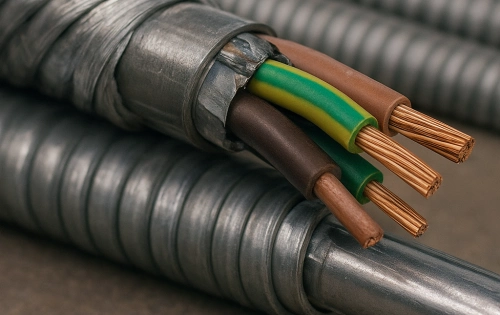
An outdoor armored cable is a strong electrical wire made specifically for the harsh conditions outside your house. Inside the cable, you will find normal copper wires that carry the electrical power. But on the outside, it wears a tough suit of armor usually made from metal or thick plastic. This special armor protects the inner wires from getting crushed or cut when hidden underground.
You cannot use indoor wires outside because water and dirt will ruin them very quickly. An outdoor armored cable is built differently to survive wet dirt, freezing winter weather, and hot summer sun. Think of it like putting a rain jacket and boots on your electrical wires before they go outside. It keeps the electricity flowing safely without any dangerous breaks or sparks in your yard.
Why Your Backyard Needs Heavy Duty Wire Protection
Your backyard is full of hidden dangers for regular electrical wires. When you bury a wire, you might forget exactly where it is and hit it later with a shovel. Lawn mowers, sharp rocks, and even heavy footsteps can crush weak wires over time. Using outdoor armored cable ensures that your electrical system stays safe even if you accidentally strike the ground above it.
Another big problem in yards is wild animals like gophers, moles, and mice. These little critters love to chew on soft things they find hidden in the dirt. Regular plastic wires can be chewed through easily, which ruins your lights and can hurt the animals. The metal shield on an outdoor armored cable is way too tough for teeth, keeping your pets and local wildlife safe
The Different Types of Armored Wires You Can Buy
When you visit the hardware store, you will see a few different types of outdoor armored cable. Some types use a flexible metal hose around the wires, while others use a thick, solid plastic coating. The metal type is amazing for protecting against sharp tools and rocks. The thick plastic type is excellent at keeping water out so the copper inside never gets rusty or wet.
It is very important to read the labels carefully when picking out your outdoor armored cable. You want to look for words that say direct burial approved. This means the factory tested the wire to make sure it can sit directly in the wet dirt without breaking down. Your choice will depend on whether you have rocky ground or very wet soil in your yard.
Technical Specifications and Product Details
To help you understand the details of this wire, here is a helpful product overview table.
| Feature | Specification Details |
| Product Name | Heavy Duty Outdoor Armored Cable |
| Material Options | Aluminum, Steel, or Thick Underground PVC |
| Common Wire Sizes | 10 AWG, 12 AWG, and 14 AWG |
| Safety Ratings | UL Listed for Direct Burial and Wet Locations |
| Best Uses | Garden Lights, Hot Tubs, Sheds, and Patios |
| Temperature Limits | Works from minus 40 degrees up to 194 degrees Fahrenheit |
How to Install Your Cable Safely in the Ground
Installing an outdoor armored cable requires a little bit of physical work but is very rewarding. First, you need to map out where your wires will go and dig a straight path. Make sure you check with your local city rules to see how deep the trench needs to be. Digging the trench to the right depth keeps the wire safe from future garden projects.
Next, you carefully lay the outdoor armored cable into the bottom of your open trench. Try to avoid bending the wire too sharply around corners because that can crack the outer protective armor. Once the wire is flat on the ground, you can fill the trench back up with dirt. It is a smart idea to place a bright plastic warning tape a few inches above the wire.
Crucial Safety Rules for Outdoor Electrical Work
Working with electricity can be dangerous if you do not follow the right safety steps. The most important rule is to turn off the main power switch before you touch any wires. Never assume a wire is dead just because a light bulb is turned off. Use a small power tester tool to verify that no electricity is flowing through the area.
Another great safety tip is to use a special outlet called a GFCI outlet for your yard. This smart outlet shuts off the power instantly if it senses water or a dangerous electrical leak. Pairing a GFCI outlet with your outdoor armored cable gives your home double protection against accidents. If a project feels too scary or complicated, always call a licensed electrician to help you finish it.
Common Mistakes People Make with Outdoor Wires
One major mistake people make is burying regular indoor wires inside a plastic pipe instead of using outdoor armored cable. Water can still leak inside plastic pipes over time and cause the indoor wires to short out. It is always safer and easier to use a wire that is truly made for the outdoors. Skipping this step might save money today, but it causes huge problems later on.
Another mistake is not digging the trench deep enough into the ground. If the outdoor armored cable sits too close to the top of the grass, a lawn aerator can strike it. Taking the extra time to dig a deep trench saves you from having to fix broken wires in the future. Do not rush the digging process because a deep wire is a safe wire.
Tools You Need for This Backyard Project
You do not need a lot of fancy tools to work with an outdoor armored cable. You will need a strong shovel or a trenching tool to clear out the dirt path. A pair of heavy duty wire cutters will help you cut the tough cable to the perfect length. You will also need a wire stripper tool to peel back the armor when connecting to outlets.
I always recommend wearing a good pair of work gloves and safety glasses during the installation. Cutting the metal armor can create sharp edges that can scratch your hands easily. Having some electrical tape and waterproof wire nuts nearby will also help you make tight connections. Gathering all your tools before you start makes the whole weekend project run much smoother.
How Weather and Soil Affect Your Wires
The ground beneath your feet changes throughout the year depending on the local weather. In the winter, wet dirt can freeze and expand, which pushes against everything buried underground. A standard wire might crack under this pressure, but outdoor armored cable is strong enough to resist the squeeze. It stays perfectly safe even when the ground turns to hard ice.
In the summer, the sun can heat up the dirt, and heavy rains can make the soil very muddy. The outer shield of an outdoor armored cable stops water from touching the hot copper wires inside. It also resists damage from natural chemicals found in dirt and fertilizers you use on your grass. This means your outdoor outlets will work perfectly during hot summer barbecues and rainy spring days.
How to Choose the Right Size for Your Lights
Wires come in different thicknesses, which experts call gauges. Choosing the right size of outdoor armored cable depends on how much power your yard items need. Small garden lights do not need a lot of electricity, so they can use a thinner wire size. But if you are powering a large hot tub or a tool shed, you will need a much thicker cable.
If you choose a wire that is too thin, it can get hot and waste electricity. I always tell friends to buy a slightly thicker outdoor armored cable than they think they need. This gives you extra safety room and lets you add more lights to your yard later on. Checking the power numbers on your electronic devices will tell you exactly what size to buy.
Keeping Your Backyard Safe for the Long Term
Once your outdoor armored cable is safely buried, it requires almost no maintenance at all. The tough materials are designed to sit in the dark dirt for decades without breaking down. It is a good habit to look at the spots where the wire comes out of the ground. Make sure no lawn tools have scratched the visible parts near your house or garage.
Creating a small map of where you buried the wire is another wonderful way to stay safe. Keep this map with your house documents so you know where not to dig in the future. Sharing this map with your family ensures that nobody accidentally plants a new tree on top of the power line. With just a little bit of planning, your outdoor power will stay safe and reliable.
Frequently Asked Questions
Can I bury outdoor armored cable directly in the dirt?
Yes, you can bury it directly if the package says it is rated for direct burial. This means the outer jacket is tough enough to handle wet dirt and rocks without any extra plastic pipes around it.
Do animals chew through outdoor armored cable?
No, critters cannot chew through it easily because the tough metal or thick plastic armor is too hard for their teeth. This keeps your yard animals safe and prevents your wires from shorting out.
How deep should I dig the trench for my yard wire?
Most local areas require you to dig between twelve to twenty-four inches deep for safety. You should always check with your local town building office to learn the exact rules for your neighborhood.
Is outdoor armored cable waterproof?
Yes, this type of cable is designed to keep moisture out of the internal copper wires. The outer layer stops rain, mud, and melting snow from causing dangerous electrical sparks underground.
Can I use regular indoor wire outside if I put it in a pipe?
It is not a good idea because water can still condense inside plastic pipes over time. Using a real outdoor armored cable is much safer because it is built to survive moisture by itself.
Do I need a professional to install this cable?
If you are just running a simple low-voltage garden light, you can often do it yourself safely. For big projects like hot tubs or new garage power, hiring a certified electrician is always the safest choice.
Final Thoughts on Upgrading Your Yard
Upgrading your backyard with new power lines is an exciting project that makes your home more usable. Using outdoor armored cable is the smartest way to ensure your new lights and tools stay powered safely for many years. It protects your investment from weather, tools, and pests while keeping your family safe from electrical shocks. Take your time, follow the safety rules, and enjoy your beautiful, bright outdoor space!