
Home Elevator Manufacturer: A Complete Guide to Choosing the Best Elevator for Your Home
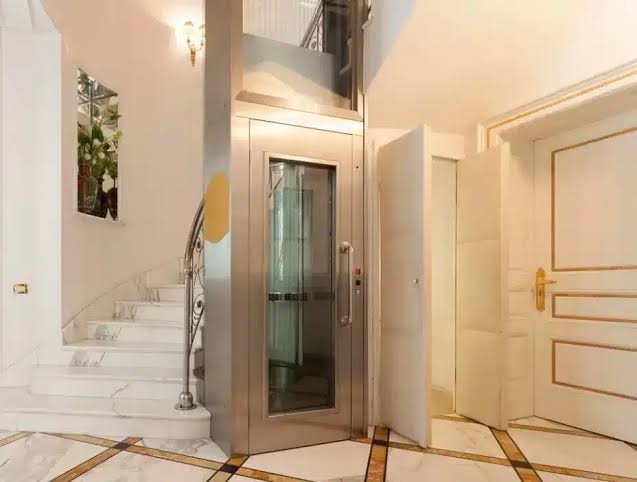
Home elevators have become an important addition to modern homes. They provide convenience, improve accessibility, and increase property value. Whether you are building a new house or upgrading an existing one, choosing the right home elevator manufacturer is one of the most important decisions you can make. A reliable manufacturer offers safe, durable, and customizable elevators that fit your home’s design and your family’s needs.
In this guide, you will learn everything about home elevator manufacturers, the types of residential elevators available, key features to consider, installation tips, maintenance requirements, and how to choose the best company.
What Is a Home Elevator Manufacturer?
A home elevator manufacturer is a company that designs, engineers, produces, and sometimes installs residential elevators. These companies specialize in creating elevators that meet residential safety standards while offering stylish designs and smooth performance.
Manufacturers often provide complete solutions, including consultation, customization, installation, warranty, and maintenance services. Their products are designed to fit different home sizes, from compact houses to luxury villas.
Why Install a Home Elevator?
Installing a home elevator offers many practical and long-term benefits. It makes daily life easier for seniors, individuals with mobility challenges, and families carrying heavy items between floors.
Some major advantages include:
- Improved accessibility
- Increased home value
- Enhanced comfort
- Better safety than stairs
- Modern and luxurious appearance
- Future-proof home design
As multi-story homes become more common, residential elevators continue to grow in popularity.
Types of Home Elevators
Different manufacturers offer several elevator types to suit various homes and budgets.
Hydraulic Home Elevators
Hydraulic elevators use a fluid-powered system to move the elevator cab. They provide smooth operation and are ideal for low-rise residential buildings.
Pros
- Quiet operation
- High lifting capacity
- Comfortable ride
Traction Home Elevators
Traction elevators operate using ropes and counterweights. They are energy-efficient and suitable for homes with multiple floors.
Pros
- Faster performance
- Energy efficient
- Minimal maintenance
Pneumatic Vacuum Elevators
Vacuum elevators use air pressure to move the cabin. They require less construction work and have a modern appearance.
Pros
- Space-saving design
- Quick installation
- Stylish look
Shaftless Home Elevators
These elevators do not require a traditional elevator shaft, making them ideal for existing homes with limited space.
Pros
- Affordable
- Compact
- Easy installation
Features Offered by Leading Home Elevator Manufacturers
Top manufacturers provide advanced features that improve safety, convenience, and aesthetics.
Popular features include:
- Automatic doors
- Emergency battery backup
- Smart touchscreen controls
- Voice command compatibility
- Remote monitoring
- Energy-efficient motors
- Quiet operation
- Custom interior finishes
- Glass cabin designs
- LED lighting
Many manufacturers also allow customers to personalize colors, flooring, wall materials, and cabin sizes.
Benefits of Choosing a Trusted Home Elevator Manufacturer
Selecting a reputable home elevator manufacturer provides several long-term advantages.
High-Quality Materials
Reliable companies use premium steel, aluminum, glass, and durable mechanical components that increase product lifespan.
Better Safety
Trusted manufacturers follow strict safety regulations and install advanced emergency systems.
Professional Installation
Experienced installation teams ensure proper alignment, testing, and compliance with local building codes.
Warranty Protection
Most leading manufacturers offer warranties covering motors, controllers, and major mechanical components.
Excellent Customer Support
Professional manufacturers provide ongoing maintenance, spare parts, and technical assistance whenever needed.
How to Choose the Best Home Elevator Manufacturer
Choosing the right manufacturer requires careful research.
Check Industry Experience
Look for companies with years of experience in residential elevator manufacturing.
Review Customer Feedback
Read online reviews and testimonials to understand customer satisfaction.
Compare Product Options
Choose manufacturers offering multiple elevator styles and customization options.
Verify Certifications
Ensure the company complies with national and international safety standards.
Evaluate Maintenance Services
Reliable after-sales service is essential for long-term performance.
Request Detailed Quotes
Compare pricing, warranty coverage, installation costs, and maintenance packages before making a decision.
Safety Standards and Certifications
Safety is the most important consideration when purchasing a residential elevator.
Quality manufacturers follow strict standards that include:
- Emergency stop buttons
- Automatic rescue systems
- Door interlocks
- Overload protection
- Backup power supply
- Fire safety features
- Smooth emergency lowering systems
Certified manufacturers regularly test their elevators to ensure reliable performance under different conditions.
Installation Process
The installation process usually follows several important steps.
Home Assessment
Experts inspect your property to determine the best elevator location.
Design Planning
The manufacturer prepares customized drawings based on your home’s structure.
Manufacturing
The elevator components are produced according to your selected specifications.
Installation
Professional technicians install the elevator, electrical systems, and safety equipment.
Testing
Comprehensive testing ensures smooth operation before final approval.
Most residential elevator installations take several days to a few weeks, depending on the elevator type and construction requirements.
Maintenance and After-Sales Support
Regular maintenance keeps your elevator operating safely and efficiently.
Routine maintenance typically includes:
- Lubricating moving parts
- Inspecting cables
- Testing emergency systems
- Checking electrical components
- Cleaning guide rails
- Software updates
- Replacing worn parts
Many manufacturers offer annual maintenance contracts that help prevent unexpected breakdowns.
Cost of Home Elevators
The total cost depends on several factors.
Major pricing factors include:
- Elevator type
- Number of floors
- Cabin size
- Interior customization
- Installation complexity
- Building modifications
- Smart technology features
- Maintenance packages
Although residential elevators require a significant investment, they often increase home value while improving convenience and accessibility.
Common Mistakes to Avoid
Avoid these common mistakes when selecting a home elevator manufacturer.
- Choosing based only on price
- Ignoring safety certifications
- Overlooking maintenance costs
- Not checking warranty coverage
- Hiring inexperienced installers
- Skipping customer reviews
- Selecting the wrong elevator type
- Forgetting future accessibility needs
Making informed decisions helps ensure years of reliable operation.
Frequently Asked Questions
How long does a home elevator last?
Most high-quality residential elevators last 20 to 30 years with proper maintenance.
Do home elevators consume a lot of electricity?
Modern home elevators are energy-efficient and use relatively little electricity.
Can a home elevator be installed in an existing house?
Yes. Many manufacturers offer compact and shaftless elevators designed specifically for existing homes.
Are home elevators safe for children and seniors?
Yes. Modern elevators include multiple safety features such as emergency brakes, door sensors, and backup power systems.
How often should a home elevator be serviced?
Most manufacturers recommend professional servicing at least once or twice per year.
Does installing a home elevator increase property value?
Yes. A residential elevator often increases both property value and market appeal, especially for multi-story homes.
Conclusion
Choosing the right home elevator manufacturer is essential for ensuring safety, reliability, and long-term performance. A trusted manufacturer provides high-quality products, professional installation, comprehensive warranties, and dependable maintenance services. By comparing elevator types, reviewing safety certifications, and selecting a company with a strong reputation, homeowners can enjoy a convenient, stylish, and accessible solution for years to come. Whether your goal is improving mobility, enhancing luxury, or increasing property value, investing in a quality home elevator is a smart decision that delivers lasting benefits.