
Smart Pedestrian Crossing System: Enhancing Road Safety with Intelligent Technology
Introduction
A smart pedestrian crossing system is an innovative traffic management solution designed to improve pedestrian safety while enhancing traffic flow. As cities continue to grow and vehicle numbers increase, traditional crosswalks are often insufficient to protect pedestrians, especially in busy urban areas. Smart crossing systems use advanced technologies such as sensors, artificial intelligence, LED lighting, cameras, and automated traffic signals to create safer road environments.
Unlike conventional pedestrian crossings, smart systems can detect the presence of pedestrians in real time, communicate with traffic signals, and alert drivers when someone is crossing the road. These intelligent features significantly reduce accidents and improve the overall efficiency of transportation networks. Governments, municipalities, schools, hospitals, and commercial districts are increasingly adopting these systems to build smarter and safer cities.
What Is a Smart Pedestrian Crossing System?
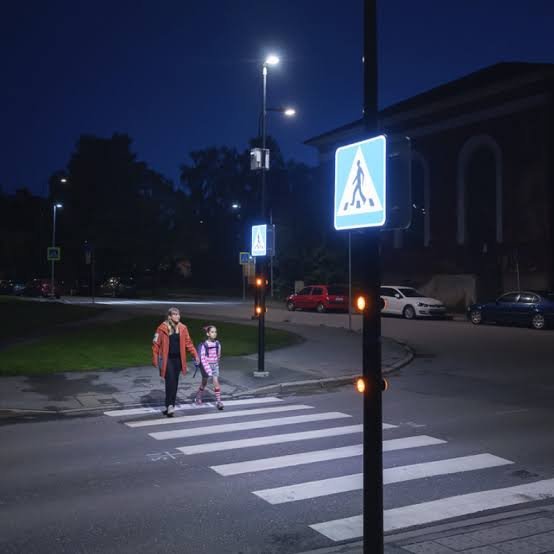
A smart pedestrian crossing system is a technology-driven crosswalk designed to detect pedestrians and manage traffic automatically. It combines intelligent sensors, visual alerts, traffic control systems, and communication technologies to provide a safer crossing experience.
The system continuously monitors pedestrian movement and vehicle traffic. When someone approaches the crossing, sensors activate warning lights or change traffic signals to stop vehicles. Some advanced systems also monitor vehicle speed and send alerts if drivers fail to slow down.
These intelligent crossings work efficiently during both daytime and nighttime while adapting to different weather conditions.
Key Components of a Smart Pedestrian Crossing System
Several technologies work together to make a smart pedestrian crossing system effective.
- Motion detection sensors
- Infrared pedestrian detectors
- LED road studs and flashing lights
- Smart traffic signal controllers
- High-definition surveillance cameras
- Artificial intelligence software
- Vehicle speed detection radar
- Emergency communication systems
- Wireless communication modules
- Solar power panels
- Cloud-based monitoring platform
- Data analytics software
Each component contributes to creating a safer environment for both pedestrians and drivers.
How a Smart Pedestrian Crossing System Works
The operation of a smart pedestrian crossing system follows a simple but intelligent process.
When a pedestrian approaches the crossing, sensors immediately detect their presence. The system verifies that someone intends to cross the road before activating warning signals. Flashing LED lights embedded in the road surface become visible to approaching drivers. At signalized intersections, traffic lights automatically switch to red after calculating safe stopping distances.
Artificial intelligence can analyze traffic density and adjust signal timing accordingly. Cameras monitor the crossing area to ensure pedestrians have safely crossed before allowing vehicles to continue.
Some systems even communicate with connected vehicles through wireless technology, providing early warnings directly to the driver’s dashboard.
Benefits of a Smart Pedestrian Crossing System
Smart pedestrian crossing systems provide numerous advantages for cities, pedestrians, and drivers.
Improved Pedestrian Safety
The primary objective is preventing accidents. Real-time detection and automatic warnings significantly reduce the risk of collisions.
Better Traffic Management
Instead of relying on fixed traffic signal timing, smart systems respond dynamically to actual pedestrian demand, reducing unnecessary vehicle delays.
Increased Driver Awareness
Flashing LED lights, digital signs, and warning signals make drivers more aware of crossing pedestrians.
Enhanced Night Visibility
Illuminated crosswalks improve visibility during darkness, rain, or fog.
Reduced Human Error
Automated detection minimizes dependence on pedestrians pressing crossing buttons and improves response time.
Energy Efficiency
Many smart pedestrian crossing systems use solar panels and LED technology, reducing electricity consumption.
Data Collection
The system gathers valuable information about pedestrian movement, traffic flow, and accident-prone locations, helping city planners make informed decisions.
Technologies Used in Smart Pedestrian Crossing Systems
Modern systems integrate several advanced technologies to maximize safety and efficiency.
Artificial intelligence analyzes pedestrian behavior and predicts crossing patterns. Computer vision enables cameras to recognize pedestrians, bicycles, and vehicles accurately. Internet of Things (IoT) devices allow communication between sensors, traffic lights, and centralized monitoring systems.
Machine learning continuously improves detection accuracy over time. Cloud computing stores operational data for remote management. GPS integration assists emergency response services, while radar technology measures vehicle speed approaching the crossing.
Together, these technologies create an intelligent transportation infrastructure capable of adapting to changing traffic conditions.
Applications of Smart Pedestrian Crossing Systems
These systems are suitable for many different environments.
- School zones
- University campuses
- Hospitals
- Shopping centers
- Residential communities
- Business districts
- Tourist attractions
- Public parks
- Railway stations
- Airports
- Smart city projects
- Industrial zones
Locations with high pedestrian traffic benefit the most from intelligent crossing systems.
Smart Pedestrian Crossing System in Smart Cities
Smart cities aim to use technology to improve public services and quality of life. A smart pedestrian crossing system plays an important role in achieving these goals.
Connected infrastructure enables communication between crossings, traffic lights, emergency services, and transportation management centers. Real-time traffic analysis allows authorities to optimize road usage while prioritizing pedestrian safety.
As autonomous vehicles become more common, smart crossings will serve as communication points between pedestrians and self-driving cars, ensuring safe interactions on public roads.
Safety Features of a Smart Pedestrian Crossing System
Modern systems include multiple layers of protection.
Pedestrian detection sensors identify people before they enter the roadway. LED pavement lights increase crosswalk visibility. Audible signals assist visually impaired individuals. Countdown timers help pedestrians judge available crossing time.
Some systems include emergency call buttons connected to local authorities. Vehicle speed monitoring identifies speeding vehicles and activates additional warning signals.
Artificial intelligence also detects unusual situations such as people standing in dangerous positions or children unexpectedly entering the road.
Challenges in Implementing Smart Pedestrian Crossing Systems
Despite their advantages, some challenges remain.
Installation costs can be higher than traditional crossings due to advanced hardware and software. Maintenance requires regular inspection of sensors, cameras, and communication equipment.
Extreme weather conditions may temporarily affect sensor performance, although modern systems are becoming increasingly weather resistant.
Data privacy is another consideration when cameras collect traffic information. Proper security measures must be implemented to protect collected data.
Cities also need trained personnel to manage and maintain intelligent transportation infrastructure.
Future Trends in Smart Pedestrian Crossing Systems
Technology continues to improve rapidly, making future smart crossings even more effective.
Artificial intelligence will become more accurate in predicting pedestrian behavior. Vehicle-to-infrastructure communication will allow connected cars to receive crossing alerts automatically. Autonomous vehicles will interact directly with intelligent crosswalks.
5G communication networks will provide faster data transmission, improving response times. Edge computing will enable quicker decision-making without relying entirely on cloud servers.
Biometric recognition and advanced computer vision may further improve pedestrian detection while maintaining safety standards.
Solar-powered systems with battery storage will increase sustainability and reduce operating costs.
Choosing the Right Smart Pedestrian Crossing System
Organizations should evaluate several factors before selecting a system.
- Detection accuracy
- Weather resistance
- Integration with existing traffic signals
- Power consumption
- Installation requirements
- Maintenance costs
- Software update capabilities
- Remote monitoring features
- Data reporting functions
- Compliance with local traffic regulations
- Scalability for future expansion
- Technical support availability
Choosing a reliable solution ensures long-term performance and improved public safety.
Conclusion
A smart pedestrian crossing system represents the future of road safety by combining intelligent sensors, artificial intelligence, LED lighting, and automated traffic management into one integrated solution. These advanced systems reduce accidents, improve traffic efficiency, and support the development of safer, smarter cities.
As urban populations continue to grow, investing in intelligent pedestrian infrastructure becomes increasingly important. From schools and hospitals to commercial centers and smart city projects, smart pedestrian crossing systems provide reliable protection for pedestrians while helping traffic move more efficiently. With continuous advancements in AI, IoT, and connected transportation technologies, these systems will remain a vital part of modern urban development and future mobility solutions.