What is an MPO Trunk Cable? Your Easy High-Speed Fiber Guide
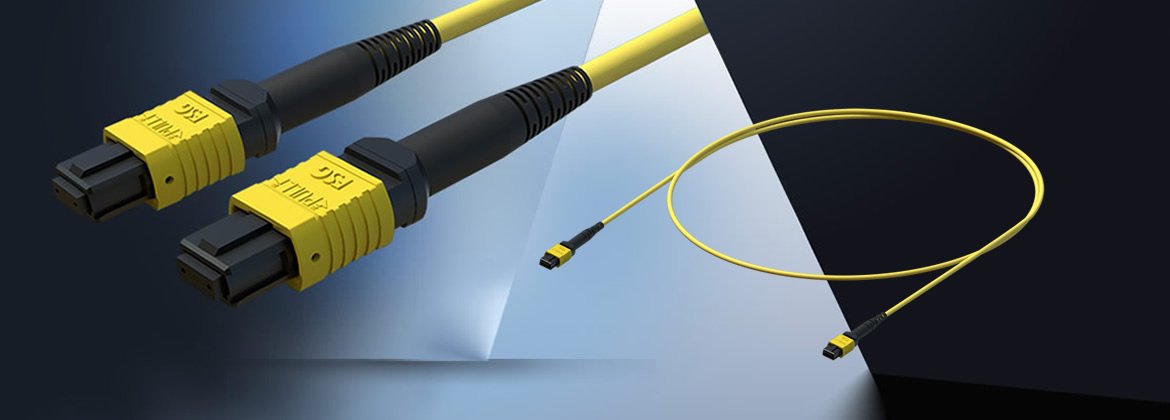
Imagine trying to connect twelve separate water pipes all at once in a tiny space. It would take a lot of time and create a massive mess. In the world of internet data centers, engineers face this exact problem with network wires. Thankfully, the mpo trunk cable solves this issue completely. This special piece of tech bundles many fiber glass strands into one single jacket.
Instead of plugging in dozens of loose wires, you just plug in one single connector. It saves a massive amount of space in tight server rooms. It also prevents workers from making mistakes when they set up big networks. Think of it as a super highway for your internet data. It moves massive amounts of information back and forth in the blink of an eye.
Using an mpo trunk cable makes building a clean data center much faster. It takes away the stress of managing tangles of messy cords. It is the secret weapon behind fast and reliable modern cloud networks.
The Big History and Evolution of Fiber Optic Connectors
Fiber optics started out very simple many years ago. Workers had to glue and polish every single fiber strand by hand on the job site. This old process took forever and caused many painful mistakes. Soon, inventors created the MPO connector to fix this slow process. MPO stands for Multi-fiber Push On. It was a huge leap forward for the whole tech world.
The very first multi-fiber connectors were used for basic phone systems. Over time, computers needed to send data much faster than before. Engineers improved the design to hold more fibers in a smaller space. Today, the modern mpo trunk cable is the industry standard for high-speed networks worldwide.
Understanding this history helps us see how far technology has come. We went from slow single wires to massive data highways. This evolution shows why modern data centers rely so heavily on these advanced plug-and-play solutions.
Meet the Genius Inventor Behind Multi Fiber Technology
Every great tech tool has a brilliant mind behind its creation. While many engineers worked on fiber optics, Japanese telecom scientists did the heavy lifting for MPO designs. They wanted a quick way to connect mass amounts of glass fibers without melting them together in the field. Their hard work paid off in the late twentieth century.
The team focused on creating a tiny plastic block called a ferrule. This small block holds all the microscopic glass strands in perfect alignment. Because of their smart design, a single mpo trunk cable can align up to twenty-four fibers perfectly in seconds.
Without their brilliant ideas, our modern internet would be much slower today. We would still be waiting around for technicians to fix single broken wires. Their invention truly changed how the whole world connects and shares information.
Creator Biography and Quick Facts Reference Table
To understand the impact of this technology, it helps to look at the quick facts surrounding its creation and growth in the tech industry.
| Detail Type | Important Information |
| Core Technology | Multi-fiber Push On (MPO) Design |
| Main Purpose | Clean High-Density Fiber Patching |
| Standard Fiber Counts | 8, 12, 16, or 24 Fibers Per Cord |
| Common Uses | Big Data Centers and Enterprise Networks |
| Key Benefit | Super Fast Plug and Play Installation |
| Modern Upgrades | Ultra Low Insertion Loss Connectors |
How Does an MPO Trunk Cable Actually Work?
Inside every single mpo trunk cable, there are multiple strands of pure glass. These strands are as thin as a single hair on your head. Laser lights blink through these glass tubes to carry digital data. The MPO connector sits at the very end of the cable bundle. It holds all these fragile glass hairs tightly in a straight line.
When you push the connector into a port, it snaps tight with a click. The key on the connector makes sure the wires line up perfectly. This means fiber number one on the left connects to fiber number one on the right. If they do not line up, the laser light spills out and the data gets lost.
Using an mpo trunk cable removes the guesswork from network setups. It ensures that light flows smoothly from one switch to another without any stops. It is like a multi-lane bridge that keeps traffic moving perfectly without crashes.
Looking at the Main Benefits of Using This Fiber Tool
The best part about an mpo trunk cable is the sheer amount of time it saves. In the past, wiring a single server rack could take a technician a whole day. Now, with pre-terminated cords, you can finish the same job in under an hour. You simply run the main line and click it into place.
Another huge benefit is the space you save inside your server cabinets. Standard wires take up too much room and block cold air from cooling the machines. A slim mpo trunk cable keeps your racks looking clean and neat. This great airflow keeps your expensive computer gear from getting too hot and breaking down.
Lastly, these systems are ready for the future. When you need to upgrade your speed, you do not need to pull out all your old wires. You just swap out the cassette tips at the ends. It is an amazing way to save money over time.
Understanding Polarity Types A B and C Simple Guide
Polarity simply means making sure the talker connects to the listener. In fiber optics, the light source must always hit the light receiver at the other end. If you mix up the wires, the system goes completely dark. There are three main ways to handle this, called Type A, Type B, and Type C.
Type A uses a straight approach where pin one goes to pin one. Type B flips the wires completely upside down at one end. This flip connects the first transmitter directly to the last receiver. Type C shifts the wires in pairs, which works great for older systems.
Choosing the right mpo trunk cable polarity is very important for your network. Most people use Type B because it makes upgrading to super fast speeds very easy. Always check your equipment manual before buying so your lights line up perfectly.
Choosing Between Male and Female Connectors Wisely
MPO connectors come in two main styles, which are male and female. The big difference between them is all about the tiny alignment pins. A male connector has two small metal pins sticking out of the front. A female connector has two small holes that receive those pins perfectly.
You must always connect a male plug into a female plug. If you try to connect two male plugs together, the metal pins will smash and break the glass. If you try to connect two female plugs, the glass strands will not line up and the signal will fail.
Most patch panels inside data centers use male connectors with pins. This means your main mpo trunk cable will usually need female plugs on both ends. Double-checking your pin types will save you from costly mistakes during setup day.
Where Do People Use These Advanced Cables the Most?
You will find the mpo trunk cable inside almost every major cloud data center today. Companies like Google, Microsoft, and Amazon use millions of them to run their websites. They need to move petabytes of data every second, and standard wires just cannot keep up.
These cables are also very popular in big bank networks and college campuses. Any place that has a central computer room with lots of data storage needs them. They are perfect for connecting different floors of a large building together quickly.
Even smaller businesses are starting to use an mpo trunk cable for their local networks. As video calls and cloud storage grow, everyone needs more bandwidth. Investing in good fiber infrastructure now keeps your business running fast for years to come.
How to Clean and Maintain Your Fiber Connections Easily
Dust is the number one enemy of high-speed fiber optic systems. A single speck of dust can completely block the laser light inside an mpo trunk cable. If dust gets trapped between the connectors, it can permanently scratch the delicate glass. That is why cleaning is the most important step during installation.
To clean them right, you should use a special dry click-cleaner tool made for MPO plugs. You simply slide the tool over the connector tip and press down until it clicks. The tool spins a fresh strip of clean cloth across the glass faces to wipe away dirt.
Never touch the end of the fiber plug with your bare fingers. Your skin contains natural oils that leave smudges on the glass. Keeping your dust caps on until the exact moment you plug the cord in is a great habit.
Common Mistakes to Avoid When Buying Fiber Gear
The biggest mistake people make is buying the wrong fiber count for their hardware. If your network switches use eight fibers, buying a twelve-fiber mpo trunk cable might waste money and leave wires unused. Always match your cable fiber count to your transceiver specs.
Another common error is bending the fiber cords too sharply around tight corners. Glass fibers can break easily if they are bent like a piece of metal wire. Always follow the safe bend radius rules listed on the cable packaging.
Finally, do not mix up Single-mode and Multimode fiber types. Single-mode uses yellow jackets and travels very long distances. Multimode often uses aqua jackets and is perfect for short runs inside a single room. They do not talk to each other, so keep them separate.
The Bright Future of Data Center Networking Trends
Technology never stops moving forward, and networks are getting faster every single day. We are moving past old speeds and heading toward ultra-fast systems. To reach these mind-blowing speeds, data centers need even more fiber strands packed together.
The trusted mpo trunk cable is evolving to meet these high demands. Newer designs pack sixteen or even twenty-four fibers into a single tiny row. This allows companies to send massive amounts of data without buying larger racks.
We will also see smarter materials used in the outer jackets. These new plastics resist fire better and do not give off toxic smoke if they get too hot. Staying on top of these trends ensures your business network is always ready for tomorrow.
Summary and Next Steps for Your Network Upgrade
Building a fast network does not have to be a scary or confusing project. By using an mpo trunk cable, you take a massive shortcut toward getting a clean, fast, and organized system. It solves your space issues, cuts down installation times, and protects your network for future upgrades.
Take a close look at your current data center racks today. Are you drowning in a messy sea of loose patch cords? If your answer is yes, it might be the perfect time to switch to a neat multi-fiber system. Reach out to a certified fiber expert to map out your layout and choose the perfect cable lengths for your space.
Frequently Asked Questions About Fiber Cables
Can I connect an MTP cable to an MPO cable?
Yes, you can absolutely connect them together. An MTP cable is just a brand-name version of a standard MPO connector with higher-quality parts. They have the exact same shape and size, so they fit into each other perfectly without any issues.
What is the maximum length for an MPO trunk cable?
The maximum length depends mostly on the type of glass inside the jacket. For standard multimode aqua cables, it is best to keep them under three hundred meters. For single-mode yellow cables, they can easily run for thousands of meters without losing signal strength.
How do I know if my cable is male or female?
You can find out by looking closely at the very tip of the connector face. If you see two tiny metal pins sticking out, it is a male connector. If you see two smooth holes meant to receive those pins, it is a female connector.
Why is my MPO cable not showing any signal?
The most common cause for a dead signal is a dirty connector face or a mismatch in cable polarity. Try cleaning both ends thoroughly with an MPO click-cleaner tool. Also, double-check that your Type A or Type B settings match your network gear.
Is single-mode better than multimode for MPO cords?
Neither one is better because they are built for entirely different jobs. Single-mode is perfect for long distances across buildings because it uses precise lasers. Multimode is much cheaper and works best for short jumps inside a single server room.
Can I repair a broken MPO plug myself on the job?
It is very difficult to repair these advanced multi-fiber plugs by hand without expensive factory tools. If an mpo trunk cable gets badly crushed or cut, it is usually much safer and cheaper to buy a fresh, pre-tested replacement cord instead.