
How Long-Term Hair Transplant Results Are Supported By Healthy Habits
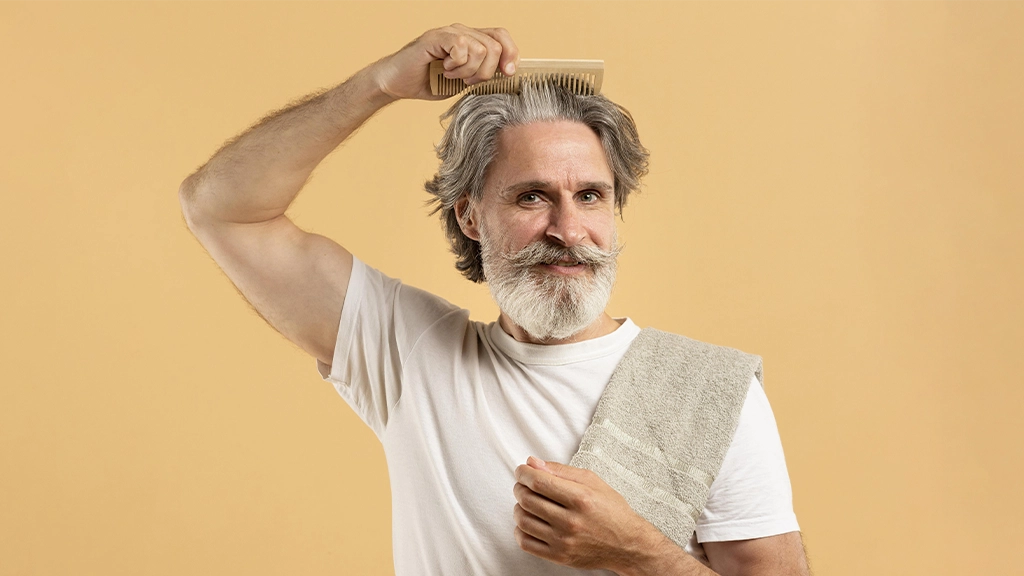
Although getting a hair transplant is a crucial step in regaining hair and boosting self-esteem, the process is just one aspect of it. Maintaining the results of therapy greatly depends on how you take care of your scalp and general health. Healthy daily habits may thicken existing hair, promote the healing process, and help transplanted follicles flourish for years to come. Regular self-care leads to long-lasting effects, from consuming healthy meals to shielding your scalp from harm.
Make A Balanced Diet A Priority
For hair follicles to be healthy, a consistent supply of nutrients is necessary. The vitamins and minerals required for robust hair development are found in a balanced diet high in lean proteins, fresh fruits, vegetables, whole grains, and healthy fats. Because keratin, a kind of protein, makes up the majority of hair, protein is essential.
Iron, zinc, biotin, and vitamins A, C, D, and E are all found in foods that support healthy hair. Because water promotes circulation and aids in the delivery of nutrients throughout the body, including the scalp, staying hydrated is equally important.
Follow Post Procedure Instructions Carefully
Following the comprehensive aftercare recommendations provided by each hair transplant doctor may have a big impact on the result. During the early healing phase, patients should only use the prescribed shampoos or cleaning products and refrain from rubbing or scratching the treated region.
Newly transplanted follicles experience less needless stress when they are cleaned gently, sleep in the right postures, and refrain from physically demanding activities for the prescribed amount of time. These easy actions reduce the chance of issues and let the scalp heal naturally.
Prevent Environmental Damage To Your Scalp
After a transplant, the scalp is very sensitive. Pollution, severe weather, and excessive sun exposure may hinder healing and degrade hair quality.
Both transplanted and natural hair may be preserved by wearing a loose-fitting hat outside, avoiding extended exposure to direct sunshine, and shielding the scalp from very high or low temperatures. Regular scalp care continues to promote healthy hair development even after healing is finished.
Exercise At The Right Time
Regular physical activity enhances blood circulation, enabling oxygen and nutrients to reach hair follicles more effectively. Better circulation enhances general scalp health and helps to promote healthier hair.
Resuming vigorous activity too soon after surgery is crucial, however. Excessive exercise may make you perspire more and put undue strain on recovering tissues. In order to guarantee that the scalp heals adequately before resuming a full fitness regimen, it is important to follow medical recommendations about when to resume exercise.
Choose Quality Follow-Up Care
Regular examinations enable your expert to keep an eye on your development and handle any abnormalities before they become serious ones. During these sessions, your clinician may measure healing, analyse hair growth, and prescribe more treatments if required.
During these appointments, many people who are thinking about hair transplants UK also benefit from talking about long-term hair care methods. Continuous expert advice supports healthy, natural-looking outcomes while assisting patients in keeping reasonable expectations.
Effectively Handle Stress
Hair growth is one of the many areas of physical health that are impacted by chronic stress. High stress levels may lead to increased hair loss and badly affect existing hair.
Emotional well-being is maintained by simple stress-reduction strategies like frequent walking, meditation, deep breathing exercises, getting enough sleep, or taking up fun hobbies. Over time, better hair is often supported by a healthy lifestyle.
When investigating treatment choices, patients commonly balance Hair transplant costs against the long-term worth of retaining their results via adequate aftercare. Investing in good daily routines helps safeguard the results of the treatment for many years.
Get Enough Sleep Each Night
Sleep is one of the body’s most significant recuperation strategies. Hormone levels stabilise, tissues mend themselves, and general healing processes become more efficient as you sleep.
Every night, adults should strive for seven to nine hours of good sleep. Regular sleep lowers stress, strengthens the immune system, and fosters an atmosphere that allows healthy hair growth to continue organically.
Individualised guidance on lifestyle choices that support their therapy is often given to patients considering hair transplants London. Combining skilled medical care with healthy habits helps transplanted follicles to stay robust while maintaining the health of the surrounding natural hair.
Conclusion
Long-lasting hair transplant outcomes rely significantly more on the treatment alone. Healthy nutrition, enough hydration, stress reduction, regular sleep, cautious scalp protection, and frequent follow-up care are all factors that lead to greater long-term results and healthier hair. Adopting healthy behaviours provides transplanted follicles the greatest chance to flourish, even if each patient has a different outcome. For years after treatment, people may benefit from thicker, healthier-looking hair and more confidence by incorporating these lifestyle changes into their daily routines.