
Hyde Hydroquinone 5% Solution: Intensive Treatment for Melasma and Stubborn Hyperpigmentation
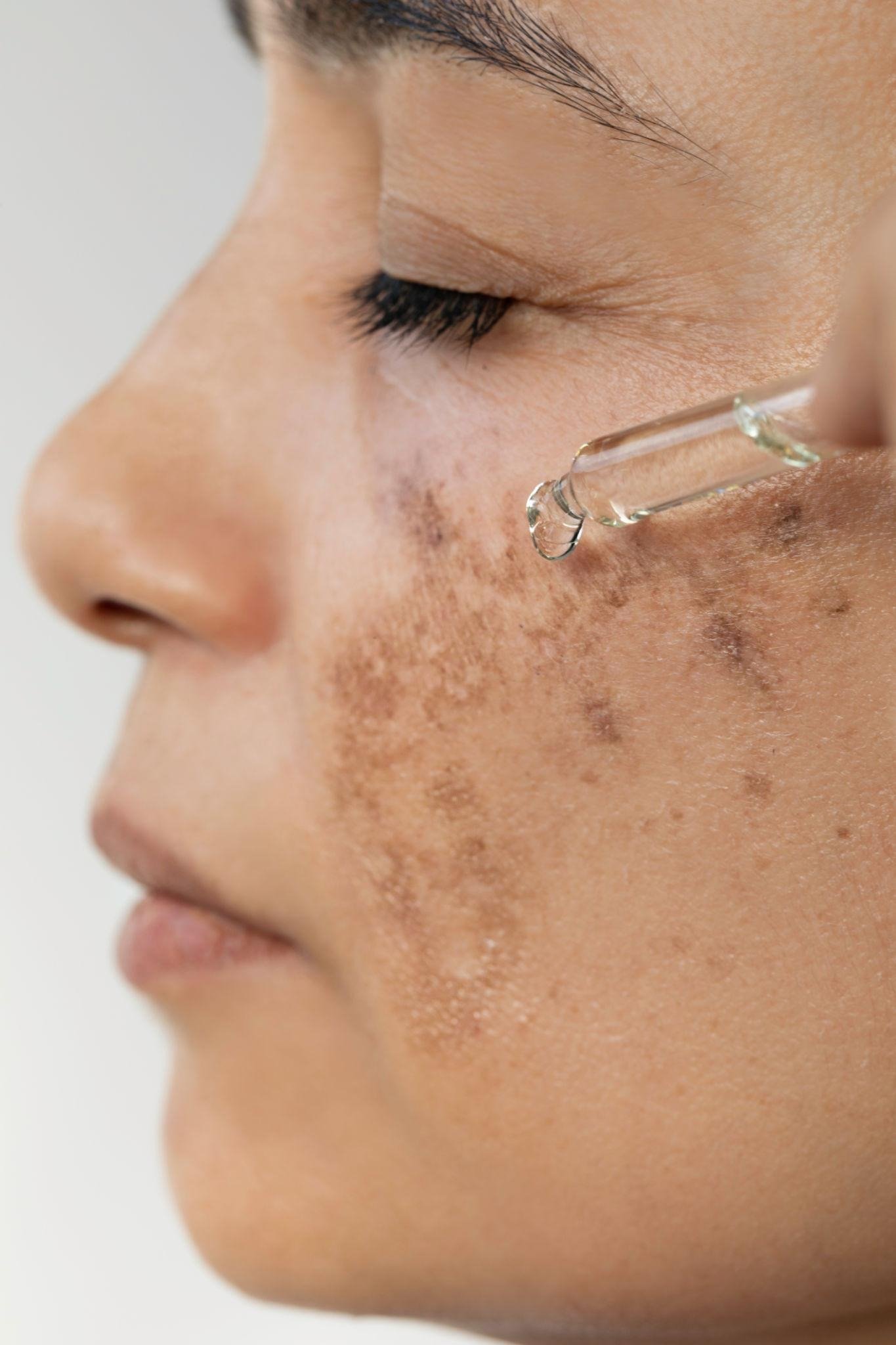
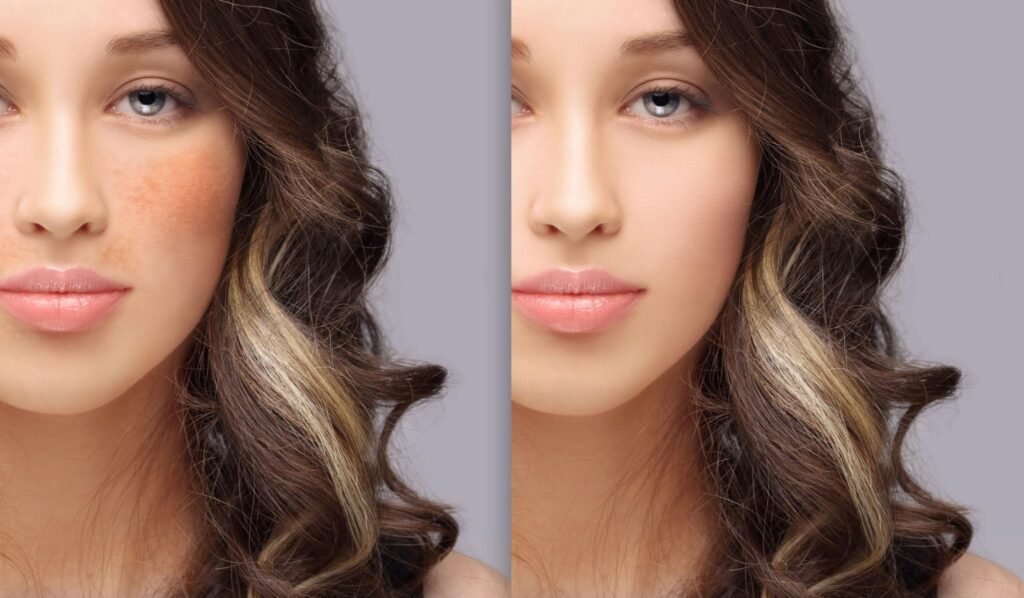
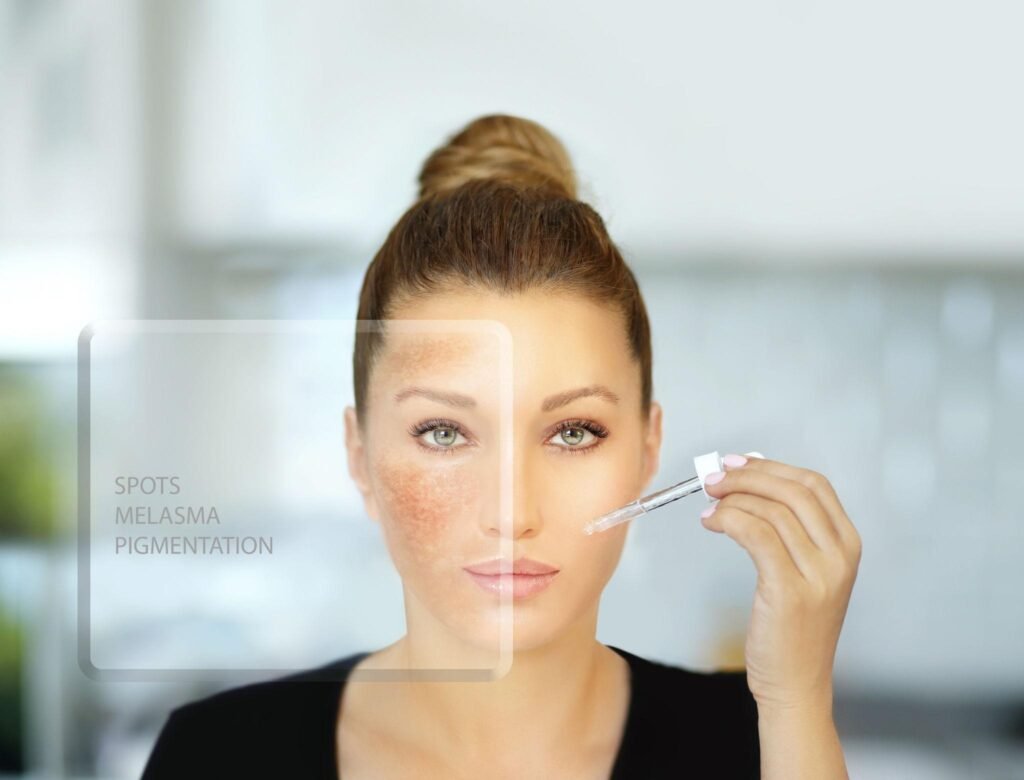
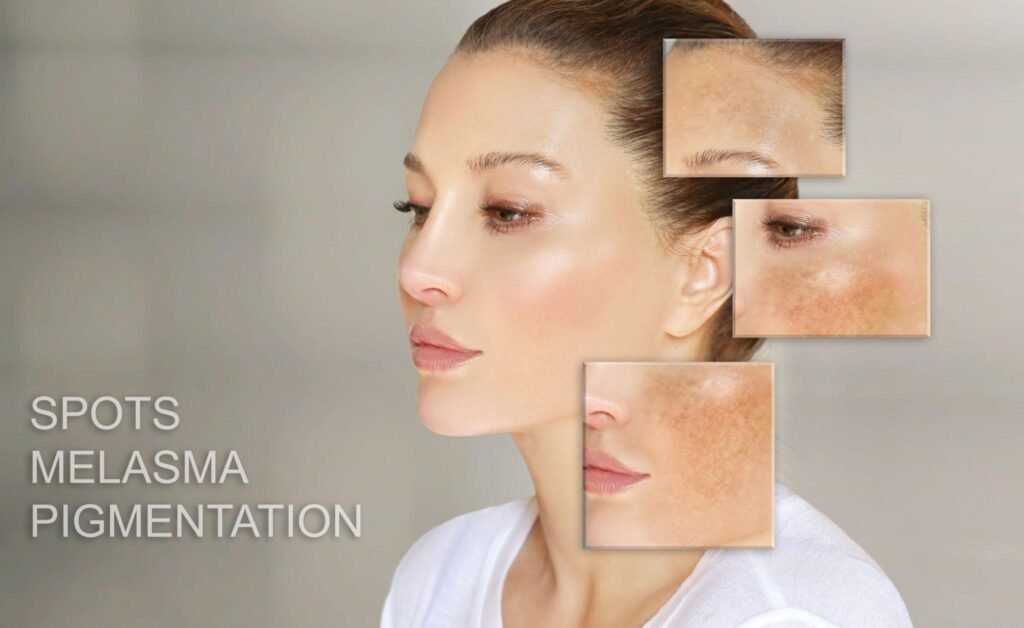
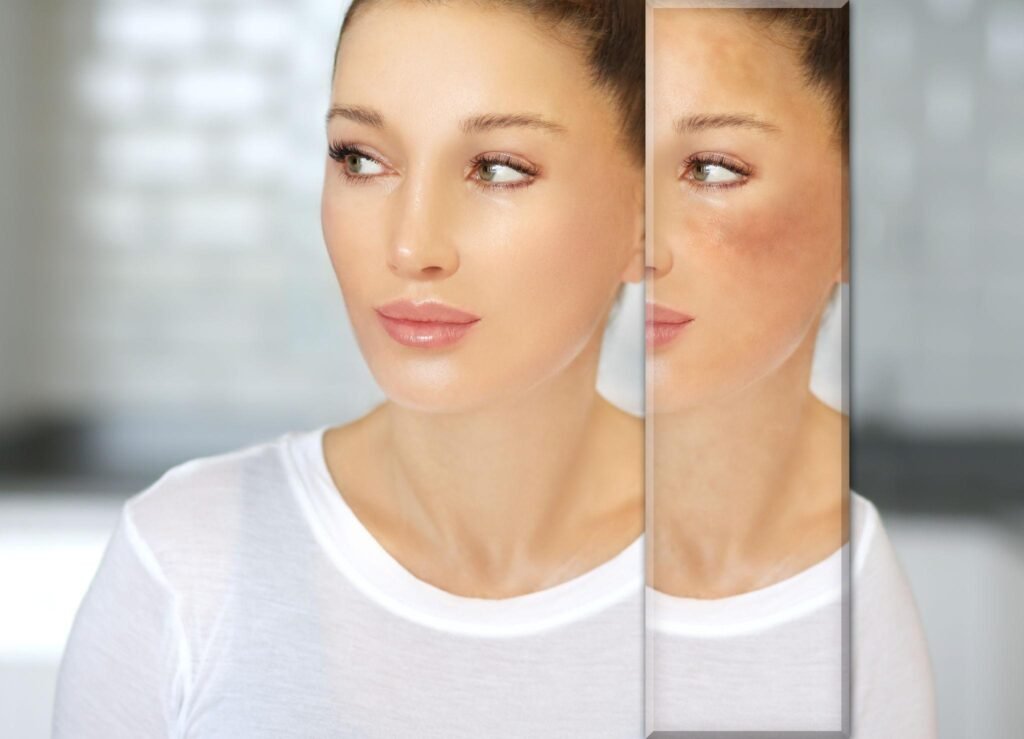
Hyde Hydroquinone 5% Solution USP is a high-strength topical depigmenting treatment used for stubborn hyperpigmentation disorders such as melasma, post-inflammatory dark spots, and uneven skin tone. Compared to lower hydroquinone concentrations, 5% solutions are typically considered stronger medical-grade treatments designed for more resistant pigmentation concerns.
Hydroquinone has remained one of the most widely studied and clinically used skin-lightening agents in dermatology for decades because of its direct effect on melanin production.
What Hyde Hydroquinone 5% Solution Is Used For
Hydroquinone 5% solutions are commonly used for:
- Melasma
- Post-inflammatory hyperpigmentation
- Sun-induced dark spots
- Acne-related pigmentation
- Uneven skin discoloration
These conditions often develop due to excess melanin production triggered by inflammation, ultraviolet exposure, hormonal influences, or skin injury.
For a detailed overview of application methods, treatment expectations, and product information, see this guide on how Hyde Hydroquinone 5% Solution is used for hyperpigmentation treatment:
hyde hydroquinone 5% solution usage guide
How Hydroquinone Works
Hydroquinone works primarily by inhibiting tyrosinase, a critical enzyme involved in melanin synthesis inside melanocytes.
This mechanism helps:
- Reduce formation of new pigment
- Gradually lighten existing dark patches
- Improve overall skin tone uniformity
Unlike instant cosmetic brightening products, hydroquinone works gradually at the cellular level. Visible improvement may take several weeks or even months depending on:
- Pigmentation depth
- Skin type
- Consistency of use
- Sun exposure habits
Hydroquinone is especially effective for epidermal pigmentation disorders.
Why Higher Concentrations Like 5% Are Used
Higher concentrations may be recommended when:
- Lower strengths fail to produce adequate improvement
- Pigmentation is persistent or severe
- Melasma is resistant to standard cosmetic products
Stronger concentrations may provide:
- Faster pigment suppression
- More noticeable fading
- Better response in difficult hyperpigmentation cases
However, higher strengths may also increase the likelihood of irritation, which is why careful application and monitoring are important.
Importance of Sun Protection During Treatment
One of the most critical aspects of hydroquinone therapy is UV protection.
Sun exposure can:
- Stimulate melanocyte activity
- Reverse treatment progress
- Worsen melasma recurrence
For this reason, dermatology protocols often recommend:
- Broad-spectrum SPF 30+ sunscreen
- Daily use regardless of weather
- Reapplication during prolonged sun exposure
Without proper photoprotection, pigmentation often returns even after successful fading.
Proper Application Guidelines
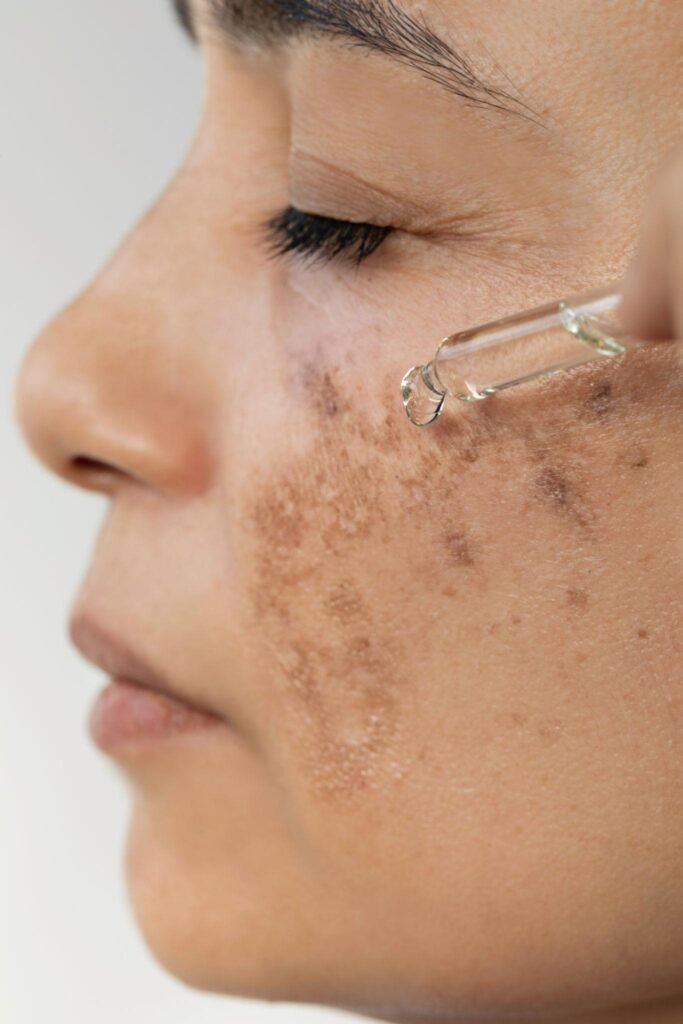
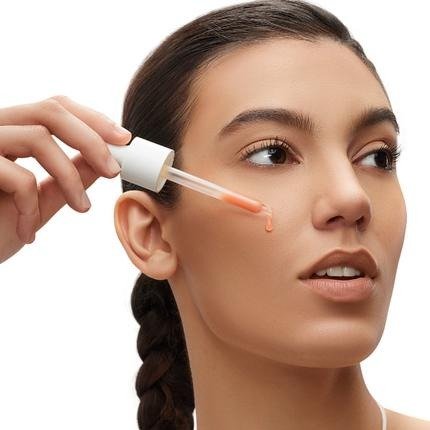
Typical recommendations include:
- Apply a thin layer to affected areas only
- Use once daily initially
- Increase frequency gradually if tolerated
Patients are often advised to:
- Avoid excessive application
- Prevent contact with eyes and mucous membranes
- Use gentle skincare products alongside treatment
Overapplication does not improve results and may increase irritation risk.
Common Side Effects
Possible side effects include:
- Mild redness
- Dryness
- Peeling
- Temporary burning sensation
These effects are often more noticeable during the first weeks of treatment.
Improper long-term use of high-strength hydroquinone may increase the risk of complications such as exogenous ochronosis, a rare but serious pigmentation disorder.
Combination Therapy in Dermatology
Hydroquinone is frequently combined with:
- Retinoids (such as tretinoin)
- Mild corticosteroids
- Chemical exfoliants
Combination approaches are often used because pigmentation disorders involve multiple biological pathways.
Many dermatologists consider combination therapy more effective than hydroquinone alone in resistant melasma cases.
Long-Term Management of Hyperpigmentation
Pigmentation disorders are often chronic and influenced by:
- Hormonal fluctuations
- UV exposure
- Skin inflammation
- Acne or irritation
Long-term control usually requires:
- Consistent sun protection
- Maintenance skincare
- Trigger management
- Intermittent treatment cycles
Even after visible improvement, recurrence may occur if underlying triggers persist.
Clinical Information
For medically reviewed information about hydroquinone therapy and pigmentation treatment, see this clinical overview of hydroquinone mechanism and safety:
hydroquinone clinical mechanism and safety overview
Conclusion
Hyde Hydroquinone 5% Solution is a strong depigmenting treatment designed for stubborn melasma and persistent hyperpigmentation disorders. By directly reducing melanin production, it can gradually improve uneven skin tone and dark patches when used consistently and carefully.
Because of its potency, proper application, sun protection, and responsible long-term management are essential for achieving safe and effective results.